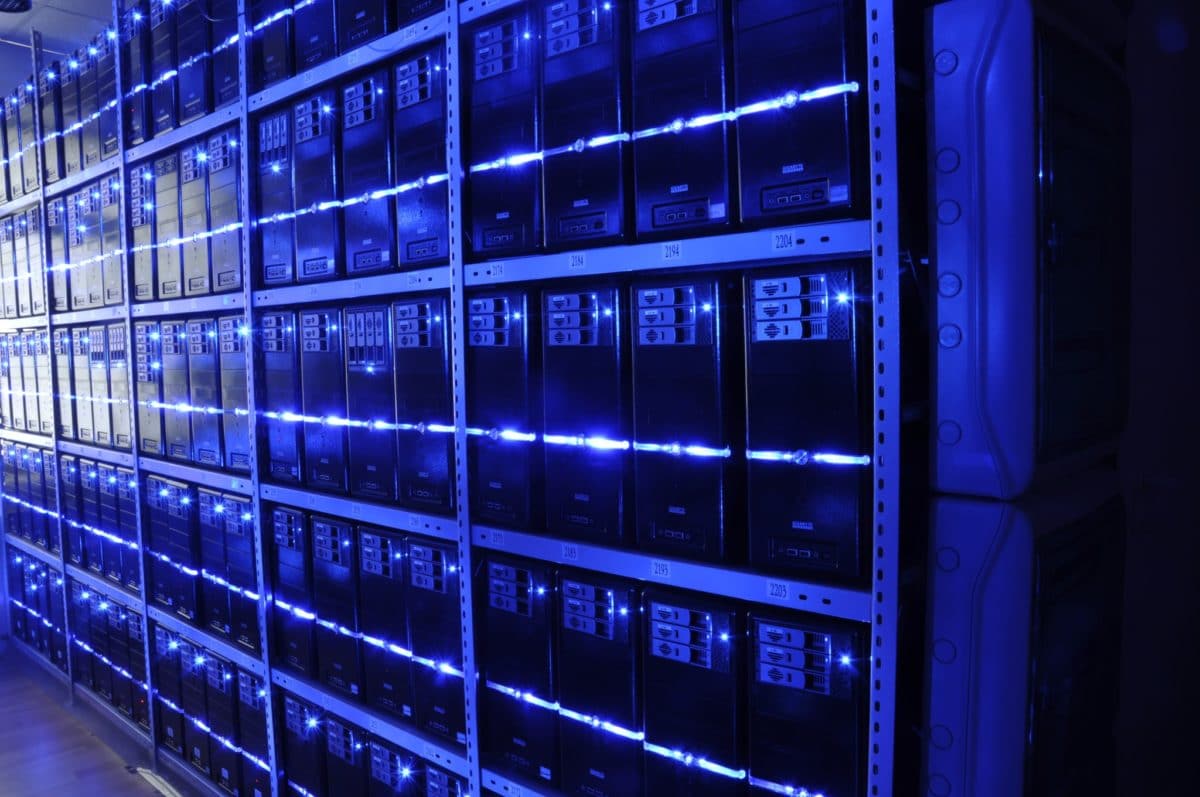





The data center boom is the single biggest source of electricity demand in the United States of the last 20 years. One the one hand, states and utilities are competing to attract the server farms and supporting generation and distribution infrastructure. At the same time, some jurisdictions are saying, “Not so fast.”
A new report from Canada-based energy analysis firm Enverus Intelligence Research (EIR) says utilities in Tier 1 cloud markets are using the boom in new project applications and interconnection requests as an opportunity to deter speculation and ensure reliable cost recovery.
Adam Robinson, an associate at EIR, told pv magazine USA that governments, utilities and existing customers on the grid all have a similar goal of trying to keep rates affordable, keep interconnection timelines fast, and attract as much new customers as they can while maintaining reliability for the grid. One method for doing so is for utilities to implement tariffs, rate structures and service fees specifically designed to filter out projects that probably will not come to fruition.
“These moves are not intended to shoo developers away or discourage any project development,” Robinson said. “They’re trying to cut the interconnection timelines in their queues, cut any speculative projects out of the interconnection queue so that the ones that will realistically get developed have shorter timelines and actually have the opportunity to get built.”
Perhaps inevitably, the rapid expansion of data centers has led to a proliferation of proposed projects. Each project represents a slot on the grid interconnection queue. High demand regions are turning to a number of strategies to manage this surge in demand. New rate structures, such as AEP Ohio’s data center tariff, may add nearly $10 million in first-year costs for developers of a 100 MW facility and have also have successfully reduced connection requests, the report said.
“When you look at something like the AEP Ohio’s data center tariff, they’ve implemented some pretty stiff credit requirements or upfront collateral that a developer will have to put forward,” Robinson said. “And as soon as they implemented that over half of their connection queue dropped. So, I think it’s safe to assume that those projects that dropped weren’t able to afford the collateral and therefore likely wouldn’t have been able to afford a data center.”
Other analysts have pointed out that data center demand forecasts could spook utilities into overproduction. Clean energy consultancy RMI reported last summer that “systemic over-forecasting” has caused utilities to spend billions of dollars building power plants for load that did not materialize, with existing ratepayers getting stuck with the bill.
Similarly, a report from the Environmental & Energy Law program at Harvard University warns that utilities may be a little too eager in vying for data center business, even to the point of increasing the burden on other ratepayers. Such shifting may occur through a combination of specialized contracts, regulatory loopholes and private interconnection provisions.
According to EIR, many utilities are actually in the driver’s seat when it comes to managing prospective projects and interconnection queues. Rate components now include longer contract terms, ramp rates, and stricter credit and collateral requirements to screen out non-viable projects, the EIR report said. For operational projects, strategies like curtailing load or using real-time pricing can save more than $20 million annually for a 100 MW data center.
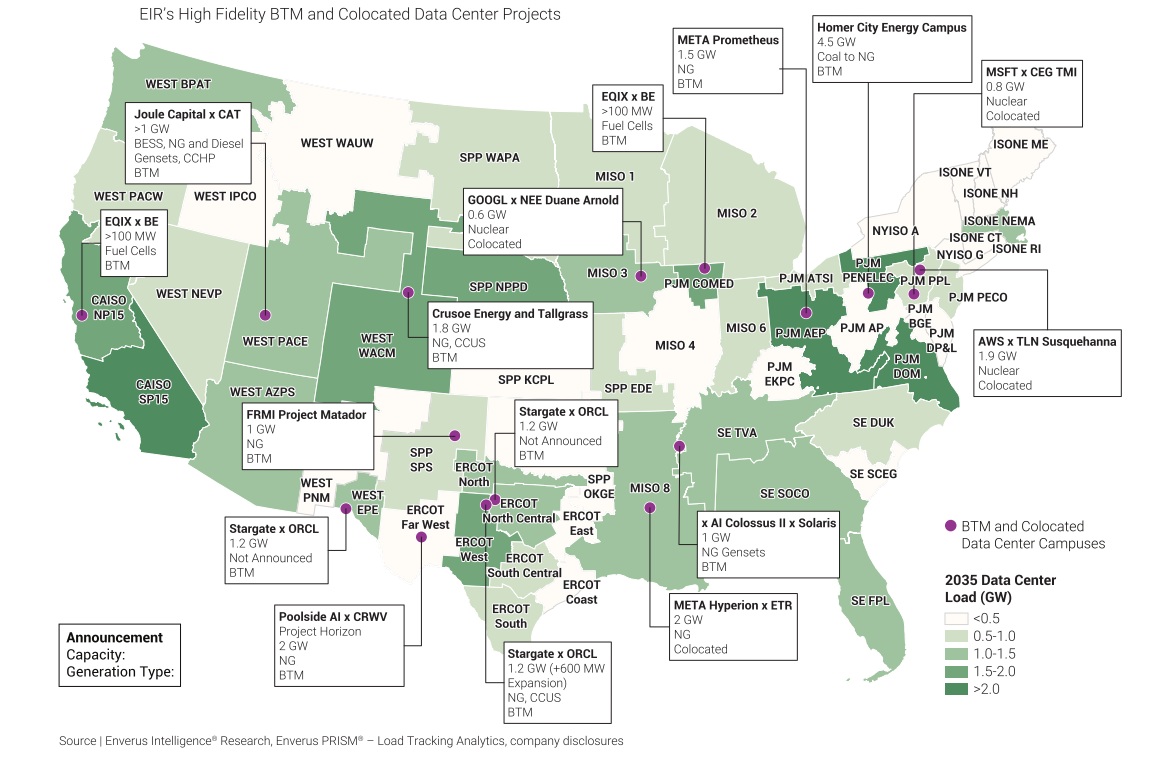
The report also said that behind-the-meter generation and collocating generation and data centers are becoming a key strategy for developers to secure reliable power and bypass grid delays. Some data center developers are turning to renewable energy partners to incorporate solar generation and storage into their data center campuses. A few are even turning to hydrogen generation.
Rather than competing for data center projects, the EIR report suggests that it’s really a buyer’s market. Utilities, particularly those in top-tier markets, can afford to be choosy about which data center projects they approve. Also, utilities can use data center tariffs and rate design as a means to make developers pay for the costs of grid infrastructure upgrades rather than making those investments themselves.
“I think the utilities are just more comfortable making those upgrades once they’ve implemented rates like these and making that capacity for the grid necessary for taking these data center projects on,” Robinson said.
This content is protected by copyright and may not be reused. If you want to cooperate with us and would like to reuse some of our content, please contact: editors@pv-magazine.com.







By submitting this form you agree to pv magazine using your data for the purposes of publishing your comment.
Your personal data will only be disclosed or otherwise transmitted to third parties for the purposes of spam filtering or if this is necessary for technical maintenance of the website. Any other transfer to third parties will not take place unless this is justified on the basis of applicable data protection regulations or if pv magazine is legally obliged to do so.
You may revoke this consent at any time with effect for the future, in which case your personal data will be deleted immediately. Otherwise, your data will be deleted if pv magazine has processed your request or the purpose of data storage is fulfilled.
Further information on data privacy can be found in our Data Protection Policy.