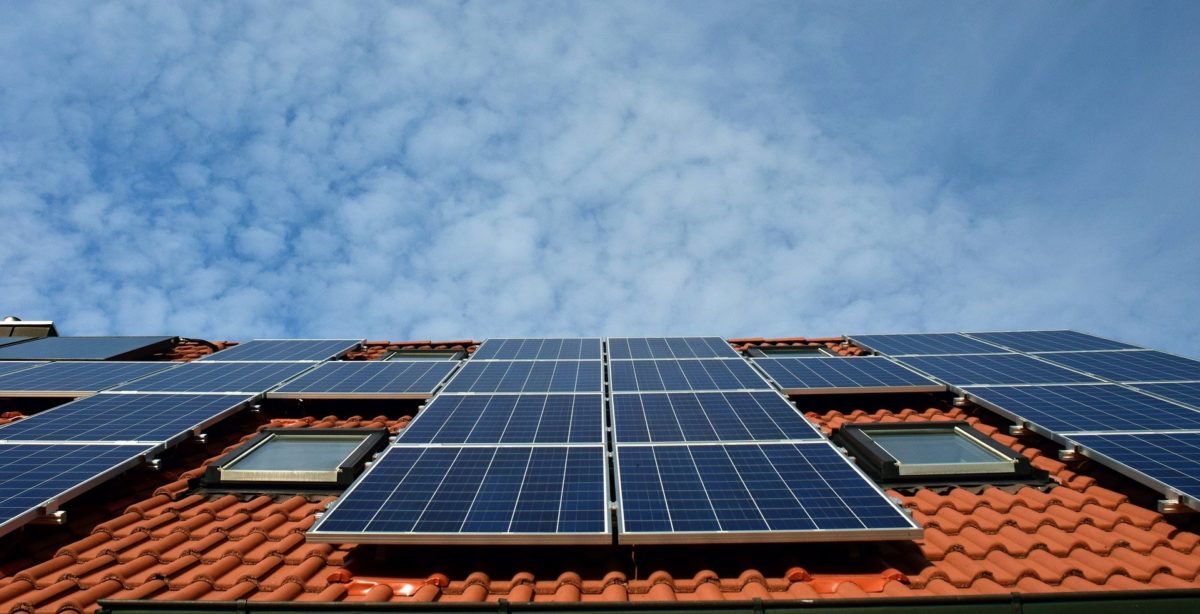





A coalition of 18 California legislators is applying pressure on the California Public Utilities Commission (CPUC) to enforce existing regulations regarding the interconnection of customer-sited solar and energy storage systems.
The legislators, led by Assemblymember Dawn Addis (D-Morro Bay), submitted a formal letter to the commission demanding accountability for Pacific Gas & Electric (PG&E) and Southern California Edison (SCE), citing consistent failures to meet state-mandated timelines.
The core issue centers on “Rule 21,” a standardized tariff that establishes the process and deadlines for utilities to approve and activate distributed energy resources. Data presented to the commission indicates that both PG&E and SCE have frequently failed to comply with these rules.
According to documents cited in Assemblymember Addis’s office press release, utility non-compliance with certain Rule 21 timelines has reached up to 73% over the last five years.
Rule 21 was established as a standard in 2020 requiring that utilities meet the established timelines for 95% of projects and ordered the utilities to submit quarterly reports on their performance. Those reports show that three steps of the review process have compliance rates as low as 27%-45%, and timelines for three other steps are met only 53%-81% of the time. The CPUC now has nearly five years of data showing routine violations, but action to enforce these rules has not occurred.
The persistent delays in the interconnection process create direct financial burdens for ratepayers who have invested in clean energy technology like rooftop solar and energy storage. Customers often secure financing for solar and storage systems but face extended periods where the systems remain inactive awaiting interconnection approval, generating no electricity or savings while loan payments begin.
The legislators’ letter argues that these systemic delays undermine California’s broader environmental and energy policy objectives. The state maintains an official goal of achieving 100% renewable or zero carbon retail electricity sales by 2045. Widespread interconnection bottlenecks impede the pace of deployment required to meet this mandate. The communication emphasizes that without strict enforcement mechanisms, the rules outlined in Rule 21 lack practical application and fail to protect consumers or progress climate goals.
The letter highlights the impending deadlines associated with federal tax incentives. To be eligible for the full Investment Tax Credit (ITC), projects must meet specific construction and operational timelines, culminating around 2026 and 2027. Delays at the utility level introduce significant risk that residential and commercial projects may miss these federal deadlines, further jeopardizing project viability and consumer investment.
The legislators call for the CPUC to implement stronger oversight and enforcement mechanisms. The CPUC has been reviewing the performance of the state’s investor-owned utilities regarding interconnection procedures and is currently considering an Order Instituting Rulemaking (OIR) to address these issues. The legislative body’s intervention aims to ensure that the final decision issued by the commission includes meaningful penalties and incentives for utilities to adhere strictly to the established timelines.
California has undergone a period of volatility distributed energy market, triggered primarily by the implementation of Net Energy Metering 3.0 (NEM 3.0), which reduced compensation rates for excess solar electricity exported to the grid. Market analysts observe that the ongoing interconnection challenges compound the existing difficulties faced by the residential and commercial solar sectors in the state.
The CPUC is expected to issue a final ruling on potential enforcement actions and reforms to the Rule 21 process in the coming months. The full details of the legislative action can be accessed through the office of Assemblymember Dawn Addis.
This content is protected by copyright and may not be reused. If you want to cooperate with us and would like to reuse some of our content, please contact: editors@pv-magazine.com.




Piclo Accelerated Community Energy transparent marketplace enables trading of surplus solar generation energy on local distribution grids, independent of utility monopolies, off-setting financial disincentives created by NEM 3. It also addresses the equity issues that were used by utilities to justify NEM 3. Community solar, especially solar parking lot canopy microgrids that include on-site BESS +Vehicle-2-Grid chargers, provide affordable energy to (sub)urban apartment & condo residents right where most utility rate payers live, work & commute to shopping centers, business districts & various municipal facilities. Remote solar farms that require new transmission spending do not serve typical residential & commercial rate payers best interests.