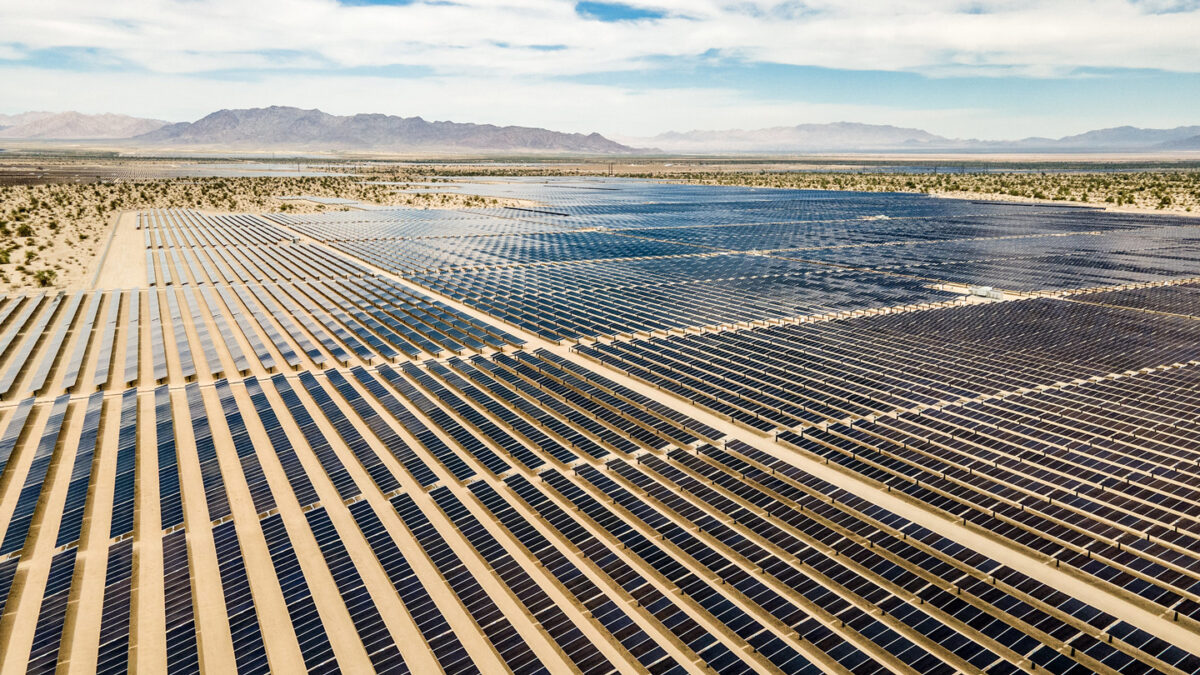





San Francisco-based kWh Analytics and its licensed insurance subsidiary, Solar Energy Insurance Services, have announced a pilot program in which solar projects that employ advanced resilience measures against weather-related losses can qualify for lower insurance premiums.
The company says advances in tracker technology like automated stow procedures and 70-plus-degree stowing capabilities have created “new opportunities to give insurers clearer visibility into how assets are designed and operated ahead of severe weather events.”
The initial announcement details a “collaborative telematics program” between kWh Analytics and solar tracker manufacturer Nextpower that will allow solar asset owners to enroll their eligible Nextpower NX Horizon systems to share real-time and historical hail stow performance data, enabling an evidence-based view of project risk and ultimately qualifying them for what it calls insurance “premium differentiation.”
In a statement provided to pv magazine USA, kWh Analytics CEO Jason Kaminsky says its models are ready to incorporate historical and real-time stow data immediately, and existing customers should expect to see benefits in the form of lower premiums, at their policies’ renewal dates.
In the past, kWh Analytics has found that solar asset owners can decrease their insurance costs by 72 percent by employing resilient site design and operation. The company also cited a study from Longroad Energy and Nextpower indicating that simply stowing panels at 75 degrees rather than 60 degrees when hail is expected decreases the probability of panel damage from hail by 87%.
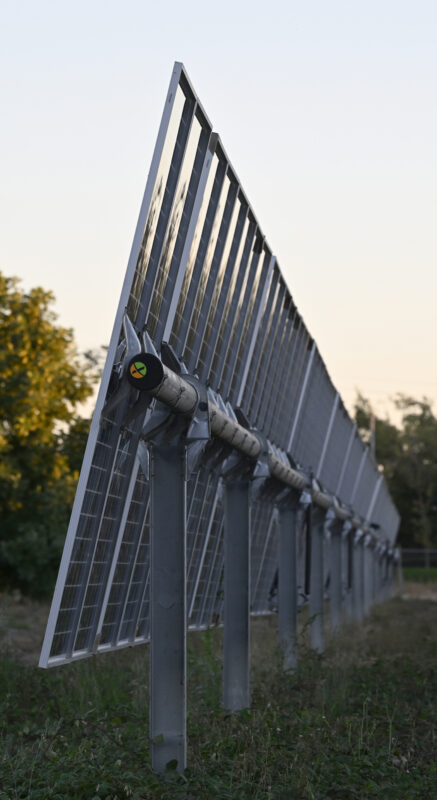
Image: Nextpower
“We’re excited to partner with kWh Analytics on this ground-breaking program that will bring greater transparency and precision to how solar asset risk is evaluated,” said Jyoti Jain, head of software product management at Nextpower in a statement. “This level of insight allows insurers to reward projects that are truly engineered and operated for long-term resilience.”
kWh Analytics says the new program’s approach to data-sharing mirrors telematics programs employed by car insurance companies, in which carriers track behavioral data to verify that insured drivers are acting safely on the road. The company says it expects the benefits of this program will work for solar asset owners covered by kWh partner insurers.
“We hope that other insurers who quota share on accounts with us will share our view that resilient sites deserve to be rewarded.” said Kaminsky, adding “kWh Analytics often sees other carriers follow suit when we facilitate new ways of communicating real-world resilience information to the market.”
While the program will initially launch in collaboration with Nextpower and based on its NX Horizon trackers with Hail Pro technology, kWh Analytics says it expects additional technologies and operational practices to qualify for premium differentiation in the future.
“We’re actively working with companies across the renewable energy industry, not just tracker manufacturers, on data-sharing partnerships that will ultimately benefit asset owners.” said Kaminsky. “The key is using existing data to update our modeling and accurately assess the risk reduction benefit of using proven technologies and services.”
This content is protected by copyright and may not be reused. If you want to cooperate with us and would like to reuse some of our content, please contact: editors@pv-magazine.com.






By submitting this form you agree to pv magazine using your data for the purposes of publishing your comment.
Your personal data will only be disclosed or otherwise transmitted to third parties for the purposes of spam filtering or if this is necessary for technical maintenance of the website. Any other transfer to third parties will not take place unless this is justified on the basis of applicable data protection regulations or if pv magazine is legally obliged to do so.
You may revoke this consent at any time with effect for the future, in which case your personal data will be deleted immediately. Otherwise, your data will be deleted if pv magazine has processed your request or the purpose of data storage is fulfilled.
Further information on data privacy can be found in our Data Protection Policy.