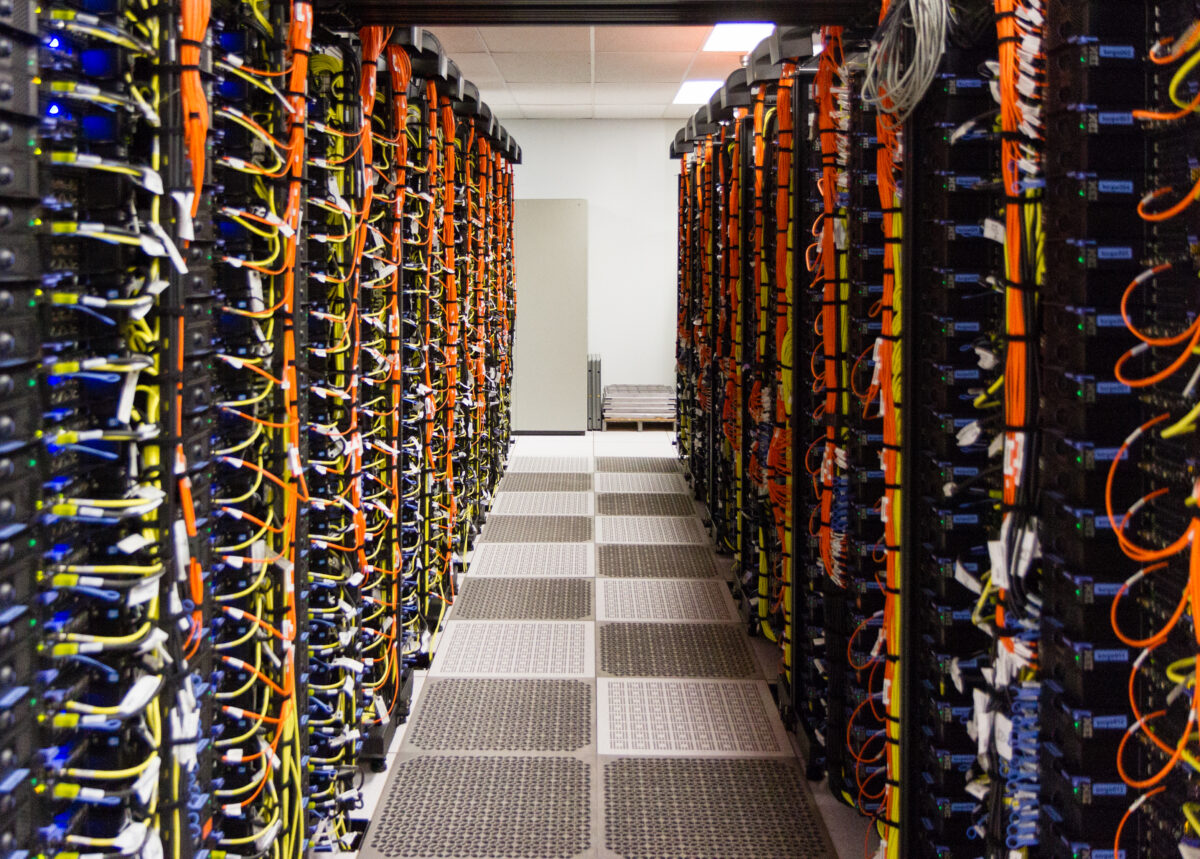





The artificial intelligence revolution is on a collision course with the physical limitations of the American power grid. Driven overwhelmingly by the voracious energy appetite of hyperscale data centers, the North American Electric Reliability Corporation (NERC) projects that summer peak demand will surge by an unprecedented 224 GW over the next decade—a staggering 69% increase from last year’s 10-year projection.
For the solar and energy storage professionals, this AI demand shock represents both an extraordinary opportunity and a severe regulatory bottleneck.
We already know that solar power is leading the charge in new generation. According to the U.S. Energy Information Administration (EIA), developers plan to add a record 86 GW of new utility-scale generating capacity in 2026 alone. Solar accounts for the lion’s share at 51% (43.4 GW). However, the 24/7, uninterrupted power requirements of an AI data center cannot be met by intermittent solar generation alone.
To prevent this massive load growth from triggering a regression back to fossil-fueled baseload power, energy storage must become the ultimate grid shock absorber. Fortunately, the market is responding: battery storage now accounts for 28% (24.3 GW) of planned 2026 capacity additions, firmly establishing itself as the second-largest source of new grid infrastructure.
But deploying the technology is only half the battle; navigating the regulatory labyrinth to connect it to the grid is where the real fight lies.
Interconnection crisis
Grid operators are currently drowning in interconnection requests. In the New York Independent System Operator (NYISO) queue alone, 11.9 GW of load as of February 2026 was attributed to future large load projects, with more than 8.3 GW entering the queue in 2025 alone.
To bypass these multi-year delays, developers and utilities are turning to massive energy storage deployments as a strategic workaround. We recently saw a groundbreaking precedent in Michigan, where DTE Energy executed a novel contract with a hyperscale data center customer to procure 1.4 GW of energy storage. This massive battery deployment was specifically designed to expedite the customer’s interconnection while actively supporting broader system reliability.
This is the exact type of creative, storage-centric problem-solving the industry needs. By utilizing batteries to manage the massive influx and outflow of power, utilities can absorb data center loads without requiring immediate, billion-dollar upgrades to transmission lines.
State and federal regulators take notice
As tracked in EnerKnol’s recent Visual Primers on Interconnection and Resource Planning, regulators are frantically attempting to update their frameworks to support this storage-backed expansion.
At the federal level, the Federal Energy Regulatory Commission (FERC) has initiated a rulemaking process to address the interconnection of large loads, proposing frameworks that would allow customers to submit joint, co-located load and generation interconnection requests to shorten study timelines.
At the state level, legislatures are establishing new pathways for solar and storage to bypass gridlock. In Virginia, lawmakers recently passed SB 508, which directs utilities to establish pilot programs for energy storage and solar generation facilities that utilize “surplus interconnection service”. This allows new storage resources to connect to the grid using a facility’s already-existing, unneeded interconnection rights. Meanwhile, the New Jersey Board of Public Utilities has directed electric distribution companies to identify constrained circuits that should be upgraded to expedite the interconnection of distributed energy resources (DERs).
Economic imperative of solar-plus-storage
Beyond simply connecting to the grid, storage fundamentally alters the economics of the clean energy transition. In Europe and the U.S., the growing adoption of solar-plus-storage systems is helping mitigate midday price cannibalization, shifting generation into the evening hours when demand—and prices—are highest.
The rapidly falling costs of batteries are actively putting natural gas peaker plants in the past. But the AI boom threatens to reverse this progress if we do not build storage fast enough. Tech giants have made it clear they want clean, 24/7 power, and they have the capital to fund it.
To successfully marry the AI revolution with the energy transition, regulators must universally adopt fast-track interconnection processes for co-located solar and storage projects. Energy storage is no longer just a supportive accessory for the grid—it is the linchpin required to power the digital economy.
By Shahid Mahdi, director, EnerKnol; expert in energy regulatory policy, critical infrastructure, and cybersecurity.
The views and opinions expressed in this article are the author’s own, and do not necessarily reflect those held by pv magazine.
This content is protected by copyright and may not be reused. If you want to cooperate with us and would like to reuse some of our content, please contact: editors@pv-magazine.com.




By submitting this form you agree to pv magazine using your data for the purposes of publishing your comment.
Your personal data will only be disclosed or otherwise transmitted to third parties for the purposes of spam filtering or if this is necessary for technical maintenance of the website. Any other transfer to third parties will not take place unless this is justified on the basis of applicable data protection regulations or if pv magazine is legally obliged to do so.
You may revoke this consent at any time with effect for the future, in which case your personal data will be deleted immediately. Otherwise, your data will be deleted if pv magazine has processed your request or the purpose of data storage is fulfilled.
Further information on data privacy can be found in our Data Protection Policy.