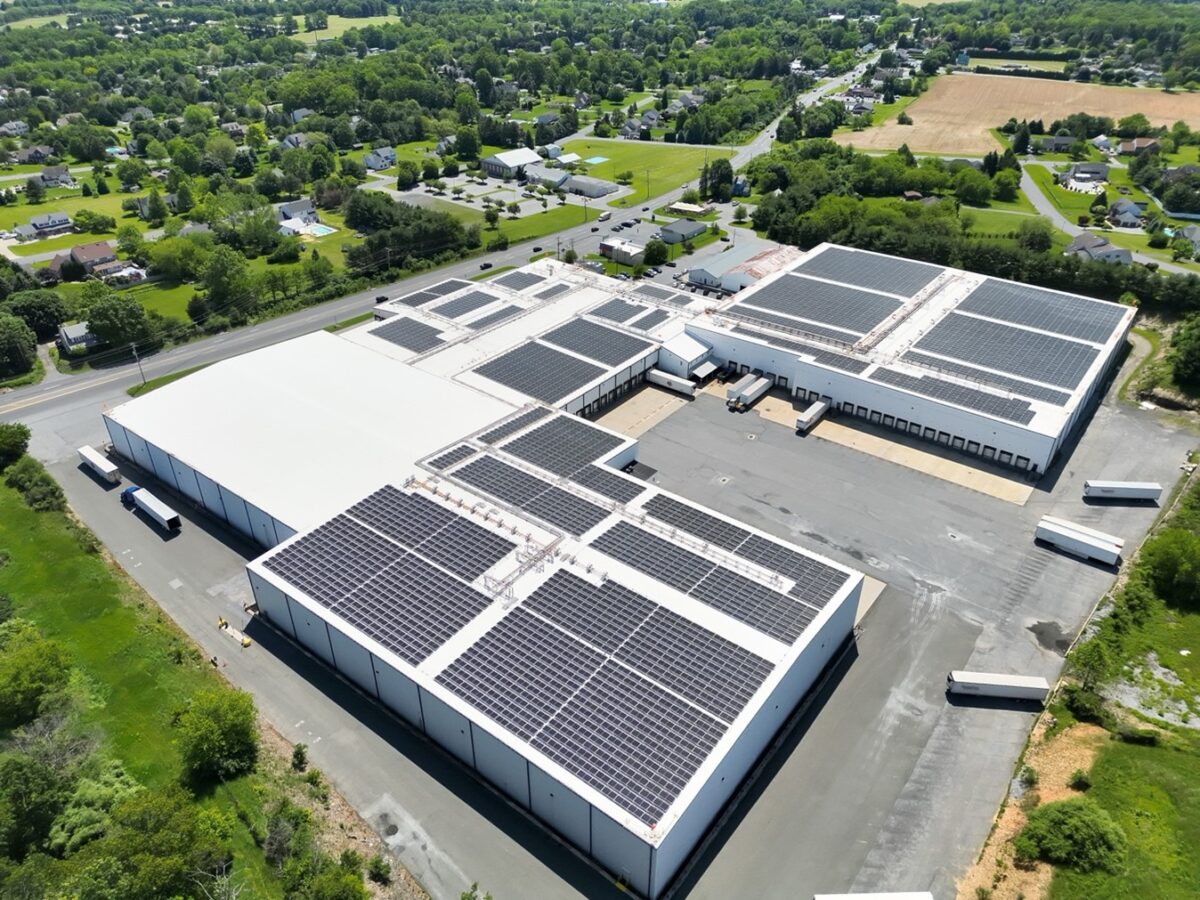





Although often beyond an asset manager’s control—as projects are typically acquired post-construction—the best indicator of a reliable, high-performing solar asset remains its initial build quality. High-quality solar construction isn’t just about installing panels, but boils down to:
- Proper Site Selection & Assessment
- Engineering
- Drainage & Erosion Control
- Quality Components & Material
- Installation Practices
- Skilled Workforce and Trades
- Electrical Design and Safety Compliance
- QA/QC Practices at Construction Milestones
- Commissioning & Performance Testing
- Long-Term Operational Planning
If acquiring a solar asset, it is an asset manager’s role to reduce risk and perform due diligence to ensure that the project will meet financial expectations and perform over the 25+ lifespan. This is often done through independent site inspections, reviewing historic performance data, and reviewing contracts, warranties, and more.
Whether you were set up for success or not, let’s skip forward… you have a site that is performing and meeting production goals, but how do you make sure that lasts for 25+ years?
When the reality is, if left alone, your site will not be producing efficiently in 20 years, maybe not even in 5 years.
Solar sites must be properly monitored and maintained, with a clear plan that includes quick detection of issues, proactive maintenance visits, and effective remediation efforts.
This looks like..
Real-Time Monitoring
A robust SCADA or monitoring platform is your first line of defense. Real-time data allows operators to detect:
- Underperforming strings
- Module degradation
- Inverter clipping
- Shading issues
- And more
These alerts allow for proper deployment of personnel for further investigation, testing, or repairs.
Proactive Preventive Maintenance
This may look like yearly preventative maintenance inspections (or more often, depending on site production and environmental conditions) However, waiting for equipment to fail is costly. A proactive preventive maintenance strategy helps detect minor issues before they escalate into expensive downtime and more costly repairs down the road.
Best practices include:
Visual Inspections of all major components: Boots on the ground using experienced technicians.
Thermal Imaging Inspections: Drone and Handheld thermal imaging can detect hotspots, loose connections, and failing modules invisible to the naked eye, before they become bigger repairs.
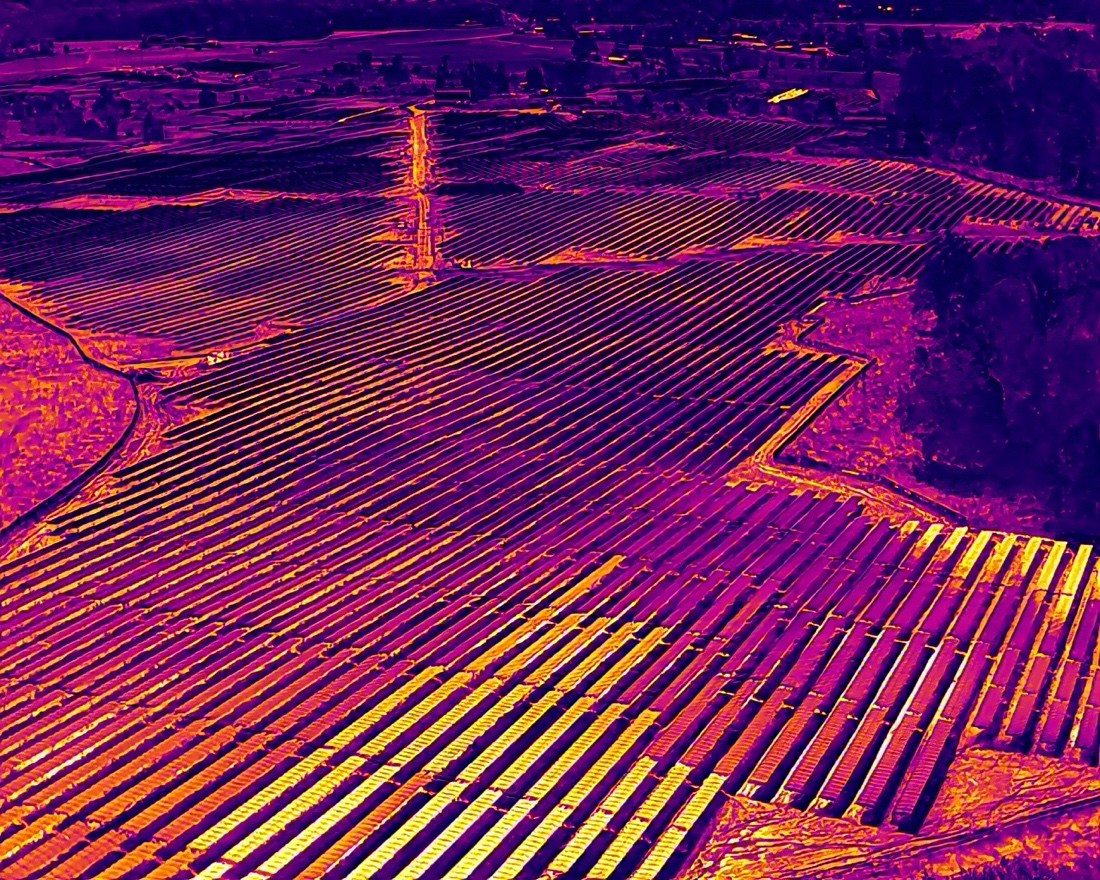
Drone Thermal Inspections was able to diagnose down strings, shading, and other production issues on this site.
Vegetation Management: Overgrown vegetation can cause decreased production, equipment damage, and a threat to on-site safety.
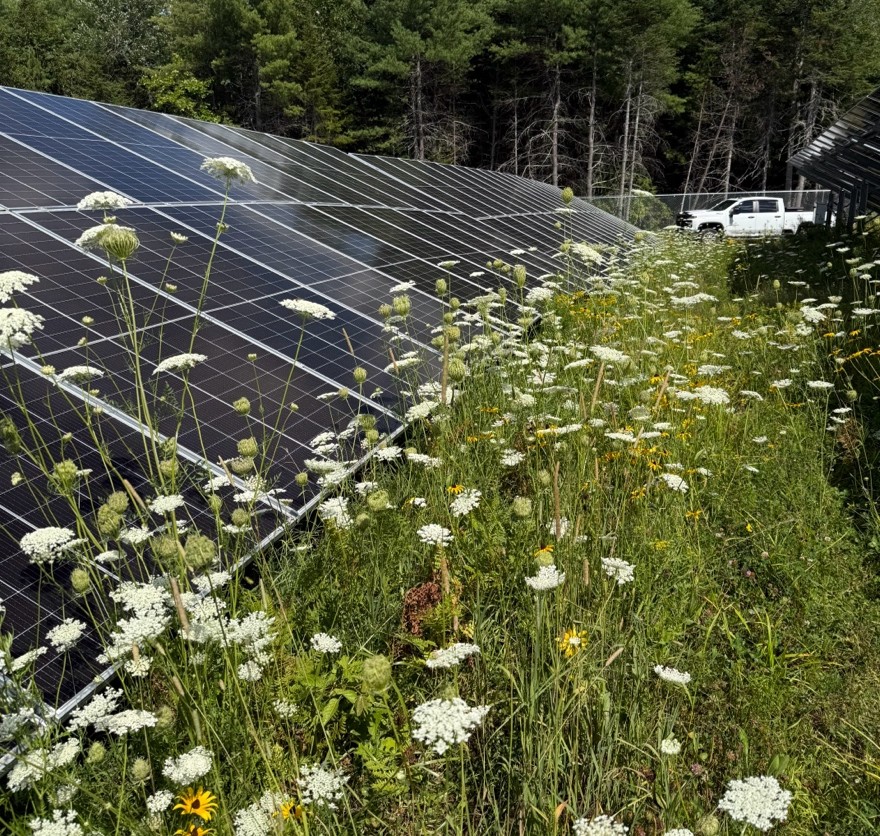
Overgrown vegetation is causing shading on modules and a hazard for technicians trying to troubleshoot the array
Scheduled Module Cleaning: Dirty modules can create decreased production and hot spots.
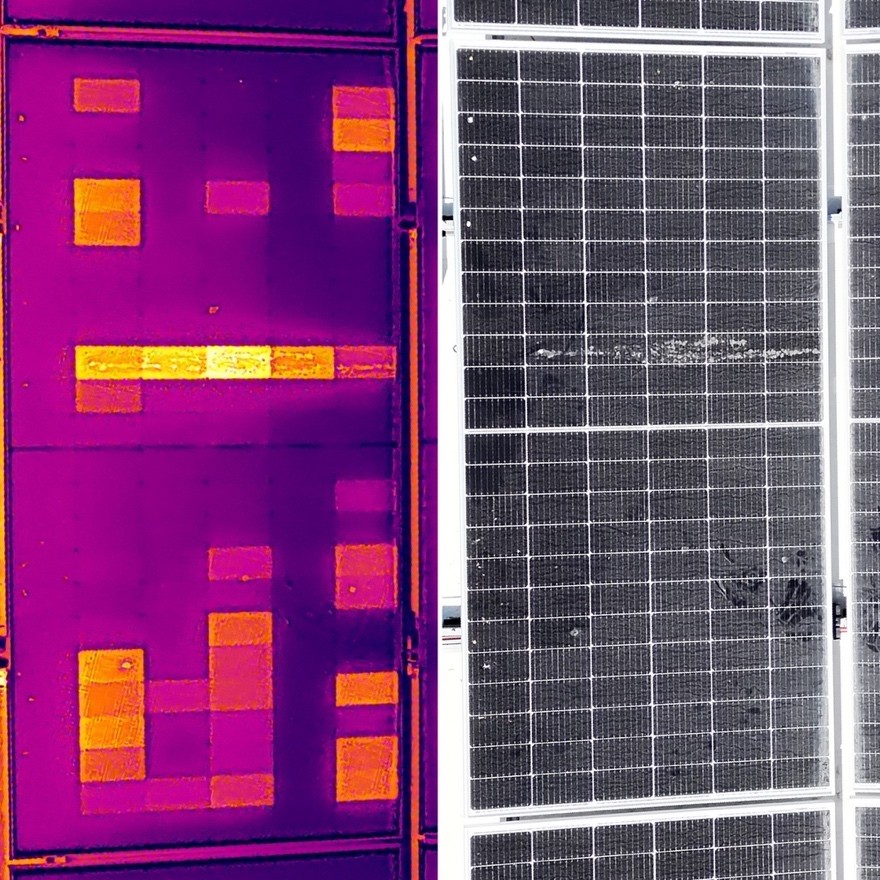
To the plain eye it looks like a dusty module, but through a thermal inspection, hot spots were discovered, likely caused by the dirt built up on the module
Electrical System Maintenance: Such as torque-checks for loose terminations, inspection of combiner boxes for moisture or overheating, replacement of blown fuses, DC connector replacement, and more.
Transformer and MV Maintenance: From oil sample tests to infrared scans, a series of testing and maintenance practices for transformers and MV equipment is essential for reliability and grid compliance.
Wire Management: Wires left sitting in water or pinched can cause ground or arc faults, resulting in sections of the array going offline or risk of fire.
Testing Practices: Such as VOC Testing is a common testing practice to troubleshoot wiring issues, damaged cells, or string integrity
Drainage and Erosion: Proper trenching and erosion control should be addressed often as part of routine maintenance, as water damage can be an underestimated threat to solar sites.
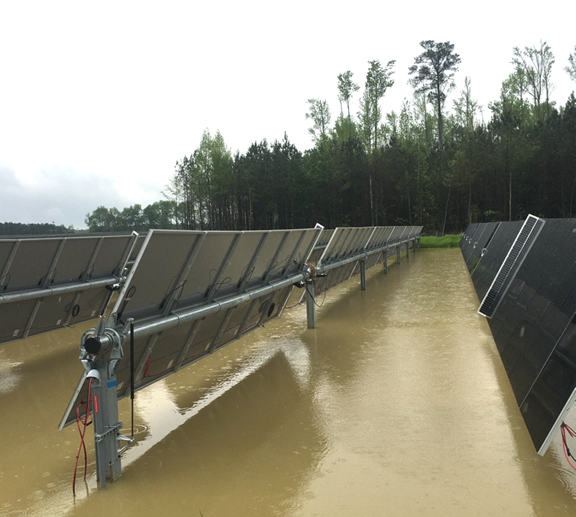
Lack of trenching and stormwater preparedness left this array submerged in water, causing damage to the system and posing a sever safety-risk to onsite personnel
Repairs and Remediation
The repairs that most improve solar site longevity are the ones that prevent moisture intrusion, electrical overheating, corrosion, and structural failure. Addressing these early protects both production and asset life.
Inverters are one of the most integral parts of any solar energy system because they convert, control, and manage the power produced by solar panels. The service, repair, and replacement of these units must be addressed ASAP to prevent production loss.
Here are critical repairs that need to be addressed to promote asset life span and production:
- Replace DC connectors
- Replace blown DC fuses
- Replace compromised combiner components
- Correct loose connections at combiner box’s, inverters, tracker motors, and grounding connections
- Ground fault repairs
- Inverter repair and/or replacement (Inverters do not usually last the full 25+ years, so replacement is necessary)
- Repair sagging DC homeruns
- Replace compromised modules
- Repair tracker alignment
- Replacing corroded lugs
- Repair SCADA sensors
Systems can be designed to last 25+ years, but if the operation, maintenance, and repair of these solar energy systems are not prioritized, most projects will not hit projected lifespans or performance levels.
The views and opinions expressed in this article are the author’s own, and do not necessarily reflect those held by pv magazine.
This content is protected by copyright and may not be reused. If you want to cooperate with us and would like to reuse some of our content, please contact: editors@pv-magazine.com.

You forgot about thorough ongoing inspections, maintenance and testing.
Side note, DC fuses blow for a reason and without performing RCA, it’s just layering bandaids.. Thermal drone images is just the tip of the iceberg & detailed O&M is what makes the systems shine for the long haul.