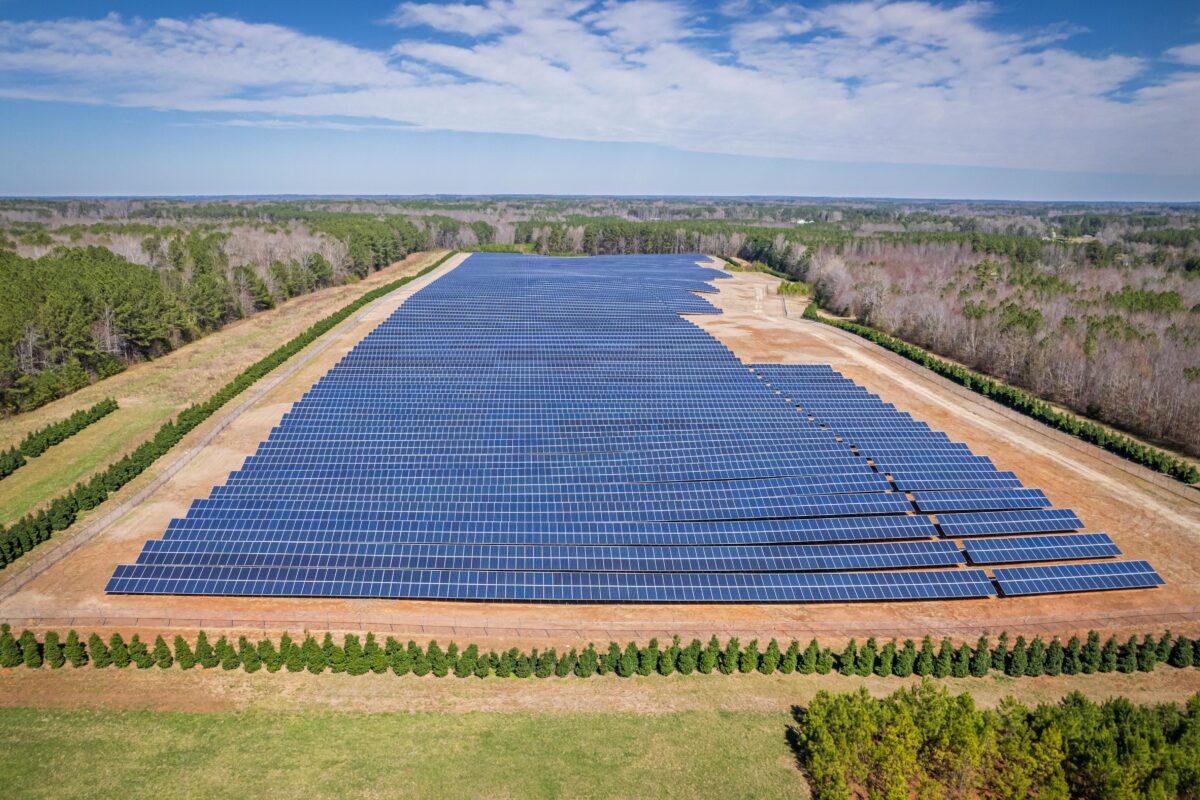





The global solar industry is poised to grow 20X by 2050, according to recent research from the International Solar Alliance. This growth will also create roughly 27 million new jobs. As the fog of last year’s policy changes in the U.S. slowly begins to clear, domestic solar markets are poised to continue to grow rapidly.
Solar is the cheapest form of energy and safe harbor provisions have established a strong pipeline of projects planned across the U.S. over the next several years. This will bolster manufacturing demand, even amid changes to incentives and tax credits. With the U.S. solar supply chain becoming fully onshored earlier this year, developers and manufacturers can also face the increasingly complex tariff landscape with more confidence. As a new year gets underway, affordability and domestic manufacturing capacity will continue to be critical factors driving the growth of the industry.
Cost remains king
Throughout 2025, federal messaging around energy transition initiatives and technologies shifted to focus on affordability and reliability. This is a trend that will benefit the solar market moving forward. Solar modules are mature technologies and long-term cost declines are expected to continue. In fact, module prices have fallen over 80% in the last decade, and continued improvements in efficiency, manufacturing, and scale will drive down levelized costs regardless of short-term policy shifts.
Reliable energy access and predictable prices have commercial entities and utilities turning to large-scale solar projects. This trend is expected to continue, particularly as these stakeholders lock in tax credits via safe harbor provisions. Independent energy generation shields operators and – in many cases – consumers from volatility. Large-scale solar farms offer some of the lowest-cost new generation capacity available, an attractive offering for businesses seeking ways to lower costs and guard against volatility. Solar can also support grid affordability even for those without direct access to solar panels. Community solar installations can help lower transmission losses and offset peak demand.
Market momentum for solar as an affordable, available energy source will outweigh temporary political headwinds and policy changes over the long-term. In fact, this year we saw countries that do not offer federal subsidies or incentives build out significant amounts of solar capacity using traditional financing approaches. In the U.S., continued demand for corporate power-purchase agreements, favorable state-level policies, and private investment into solar will help bolster growth for years to come.
Reshoring the solar supply chain
Over the past few years, we’ve seen an uptick in reshoring efforts across the U.S. solar manufacturing industry. While generous incentives and a supportive policy environment earlier in the decade certainly helped bolster demand, this trend also speaks to longer-term confidence in solar markets regardless of the policy environment. Investing in new manufacturing for solar cells, glass, wafers, and other critical components is a major undertaking that takes years to come to fruition and can cross multiple political administrations. The manufacturing capacity being built today will serve projects and consumers in the coming decades and help lock in a reliable, affordable clean energy future for the U.S.
Ongoing efforts to onshore more aspects of the solar supply chain will continue to pay off in 2026 as the industry grapples with tariffs and trade restrictions imposed on nations we previously relied on for key module materials and components. Stronger, more holistic U.S. solar manufacturing will not only reduce this dependence on foreign entities and supply chains, it’ll help the U.S. strengthen its position within global markets, guard consumers and businesses from price volatility, and create new jobs for Americans.
The economic and workforce benefits of solar, coupled with robust project pipelines fueled by the supportive policies of recent years sets the industry up for another record year in 2026. As leaders grapple with continued uncertainty brought on by tariffs and policy changes, manufacturers that have invested in domestic operations and onshoring of their supply chains will come out on top and usher in a bright new era for U.S. solar.

Martin Pochtaruk has 35 years of experience managing manufacturing and innovation businesses across Europe and the Americas. He founded Heliene, a leading high quality solar PV manufacturer in 2010. Heliene is challenging the solar industry status quo by putting customers first and manufacturing high quality, competitively priced solar PV modules made to order in North America.
The views and opinions expressed in this article are the author’s own, and do not necessarily reflect those held by pv magazine.
This content is protected by copyright and may not be reused. If you want to cooperate with us and would like to reuse some of our content, please contact: editors@pv-magazine.com.





By submitting this form you agree to pv magazine using your data for the purposes of publishing your comment.
Your personal data will only be disclosed or otherwise transmitted to third parties for the purposes of spam filtering or if this is necessary for technical maintenance of the website. Any other transfer to third parties will not take place unless this is justified on the basis of applicable data protection regulations or if pv magazine is legally obliged to do so.
You may revoke this consent at any time with effect for the future, in which case your personal data will be deleted immediately. Otherwise, your data will be deleted if pv magazine has processed your request or the purpose of data storage is fulfilled.
Further information on data privacy can be found in our Data Protection Policy.