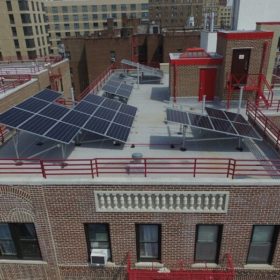
New York real estate owner marks halfway point on solar deployment project
Solar panels have been installed on 26 of the 45 buildings Zara Realty owns and manages in Queens, producing 1.3 million kWh.

West Virginia legislators advance a solar leasing bill
The bill allows residential and commercial and industrial customers to buy electricity from a leased solar system located on their property.
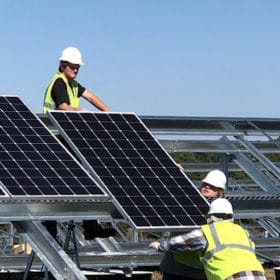
Sunrise brief: Solar is poised for record-setting growth, BNEF outlook says
Also on the rise: A report calls on DOE to do more to secure the distribution network from cyberattacks, Q CELLS claims top market share, and the National Solar Tour may be coming to a rooftop close to you.
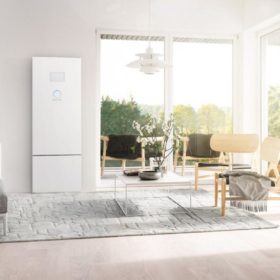
Spruce Power and sonnen team up on residential battery retrofits and VPP projects
The companies expect the partnership to spur existing customers to add storage and join a future VPP project.
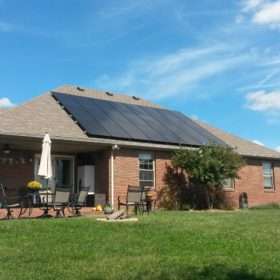
Indiana regulators slash a net metering rate, advise solar owners to buy a battery
One installer said the ruling would extend payback periods to as long as 25 years and effectively dry up new business in southwest Indiana.
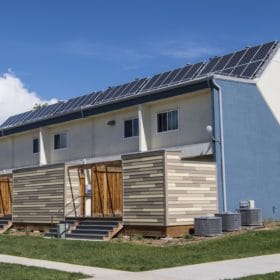
Making the numbers work for a residential energy storage system
Solar-plus-storage on residential rooftops pencils out in only a handful of markets. Here’s how the numbers work.
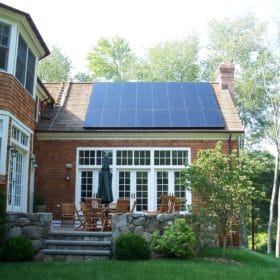
Sunrise brief: Who’s adopting rooftop solar? Berkeley Lab report offers insights
Also on the rise: A community-based canopy solar project is under way in New Jersey, Mosaic securitizes a bundle of solar loans and Strata Solar rebrands as it looks to other cleantech offerings.
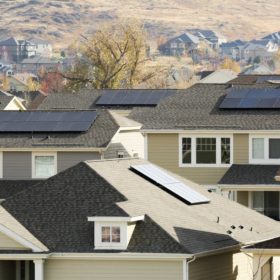
Here’s how to get solar power on roofs and in the ground
Tax credits are great, but many individuals and businesses don’t pay enough in taxes to make them work. Why not create a paradigm shift in how credits are distributed?
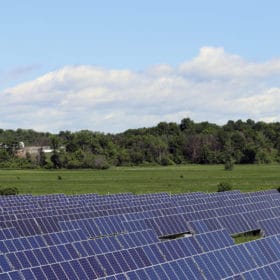
IHS Markit forecasts 181 GW of new PV capacity for this year
The U.K.-based analyst has raised its outlook for new PV additions in 2021 by around 23 GW. Due to strong demand, leading module manufacturers are sold out for the first half of the year.
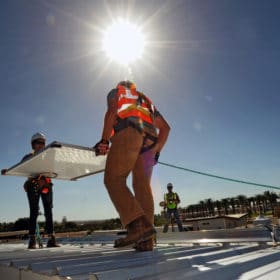
2020 Solar Installer Survey shows the pandemic can’t crack industry confidence
Nearly two-thirds of installers said they are more confident in the state of the solar industry even though more than half reported being negatively affected by the Covid-19 pandemic.