DTE Electric prices $525 million in green bonds
The Michigan power company is planning to float 30 year bonds to cover renewable energy and energy efficiency investments, while taking other steps to favor continued reliance on fossil fuels over renewable energy.

Net metering drives rooftop solar resurgence in Nevada
Applications for distributed solar in the state increased more than 10-fold in 2017 over 2016, following the reinstatement of net metering in mid-2017. On a monthly basis the increase has been as much as 32x.

Solar power plus a whole lot more on every house in California
The California Energy Commission is expected to approve the 2019 Building Energy Code that calls for solar PV on all new homes. The goal is net zero residential energy usage.
Sunnova’s solar finance agreement is coming to Sunshine State
The third party solar company has begun offering its solar finance agreements in Florida after the state regulators rule that a 20-year fixed lease is legal in the state and SB90 passed.

Solar power policy update May 3: Minneapolis, SC, MO, CT
In this week’s solar policy update, we bring you Minneapolis’ plan to go 100% renewable, a potential net metering cap increase in South Carolina, legislation to weaken regulatory oversight in Missouri, and more.
100 hours and longer: ARPA-E seeks 5¢/kWh energy storage
The U.S. government’s Advanced Research Projects Agency – Energy is offering up to $30 million in funding to build innovative technologies to enable long-duration energy storage, with the aim to provide reliable electricity from 10 to roughly 100 hours, and longer.
Musk hints at 1 GWh battery as Tesla solar power installations fall further
The company’s energy generation and storage division set a record of $410 million in revenue during Q1, but solar power fell to 2013 deployment levels.
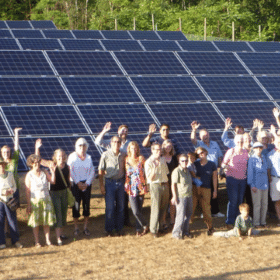
Community solar capacity more than doubles in 2017
387 MW of community solar projects were installed in the United States last year. This brings the cumulative total to 734 MW, with the majority in Minnesota and Massachusetts.
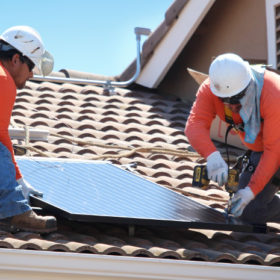
Mosaic, Sunrun lead residential solar finance
GTM Research finds that the loan provider has become the largest residential financier overall, while Sunrun leads in the third party solar space.
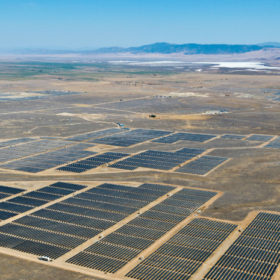
kWh Analytics tracks $8 billion in U.S. solar deals so far in 2018
The Spring DealFlow report from kWh Analytics highlighted 17 Asset Transactions and 19 Asset Financings deals year to date.